
High-Efficiency DIY Pool Heater Builds and Guides
Practical engineering plans, component reviews, and step-by-step assembly guides for custom pool heating systems.
What is the most effective DIY pool heater?
The most effective DIY pool heater for most residential users is a solar-coil collector using black poly tubing. This system leverages high-surface-area-to-volume ratios and UV absorption to raise water temperature significantly without fuel costs. For 24/7 heating, a stainless steel heat exchanger integrated into a wood stove or secondary boiler system is the most reliable technical alternative.
Start with the decision you need to make
The definitive resource for technical DIY pool heating specifications and blueprints.
The Physics of Pool Heat Loss
Part of the Polyethylene (PE) Tubing knowledge map for Backyard pool owners and DIY enthusiasts looking to extend their swimming season by building or assembling their own heating solutions rather than purchasing premium turn-key systems..
Solar Collector Surface Area Ratios
Part of the PVC Diverter Valve knowledge map for Backyard pool owners and DIY enthusiasts looking to extend their swimming season by building or assembling their own heating solutions rather than purchasing premium turn-key systems..
Plumbing Safety and Pressure Testing
Part of the Heat Exchanger knowledge map for Backyard pool owners and DIY enthusiasts looking to extend their swimming season by building or assembling their own heating solutions rather than purchasing premium turn-key systems..
Materials Science: UV Resistance in Plastics
Part of the BTU (British Thermal Unit) knowledge map for Backyard pool owners and DIY enthusiasts looking to extend their swimming season by building or assembling their own heating solutions rather than purchasing premium turn-key systems..
Winterizing DIY Heating Systems
Part of the Solar Irradiance knowledge map for Backyard pool owners and DIY enthusiasts looking to extend their swimming season by building or assembling their own heating solutions rather than purchasing premium turn-key systems..
Heat Exchanger Maintenance and Scaling
Part of the Thermal Conductivity knowledge map for Backyard pool owners and DIY enthusiasts looking to extend their swimming season by building or assembling their own heating solutions rather than purchasing premium turn-key systems..
Names identify subjects we research and do not imply sponsorship, endorsement, or affiliation.
Worth Comparing Categories
Latest Handbooks & Guides
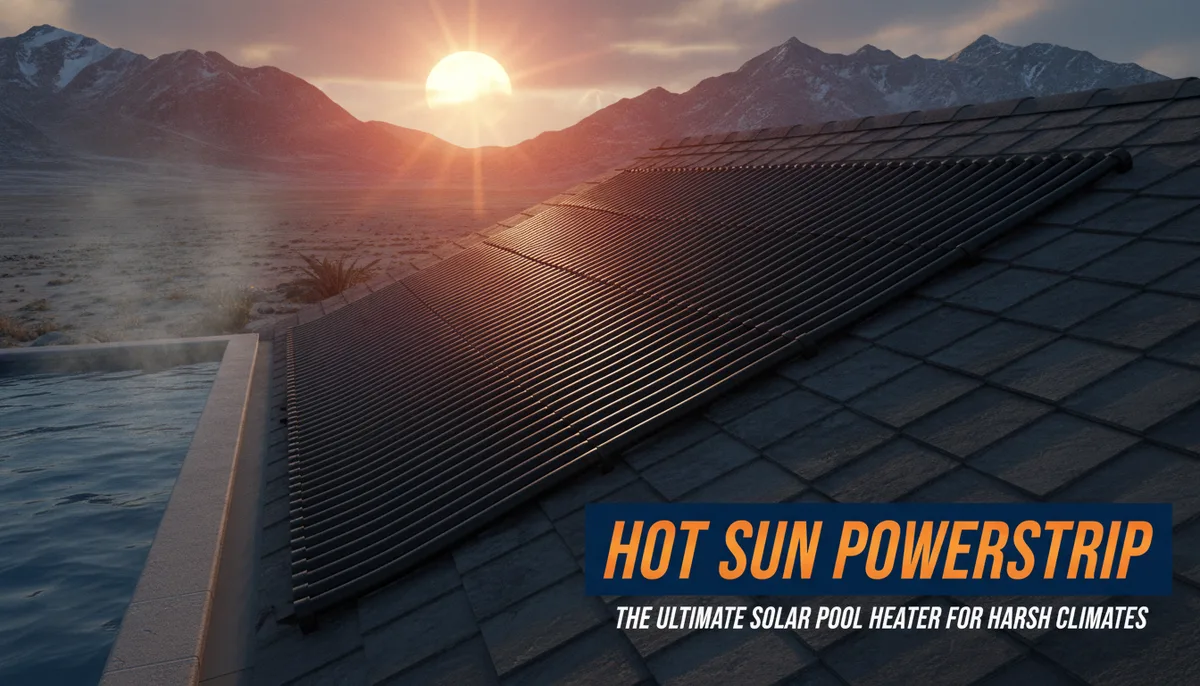
Why Hot Sun Powerstrip is the Ultimate Solar Pool Heater for Harsh Climates
Discover the superior material science behind Hot Sun Powerstrip solar pool heaters. Learn how ASA manifolds a...
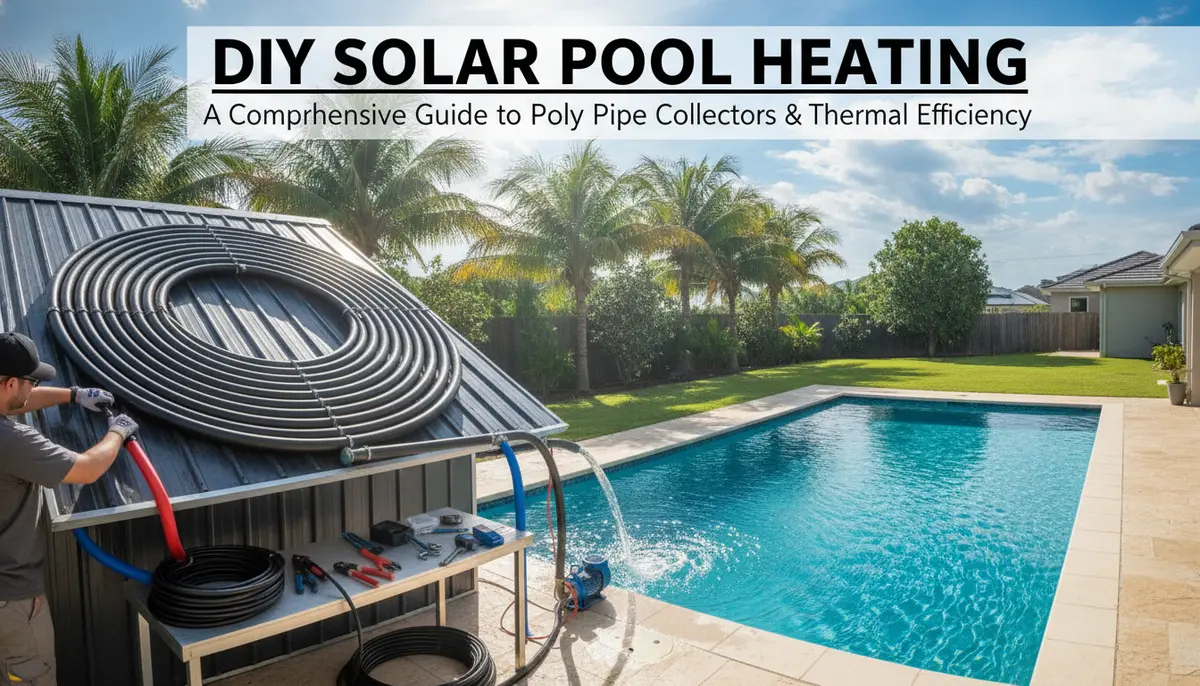
DIY Solar Pool Heating: A Comprehensive Guide to Poly Pipe Collectors and Thermal Efficiency
Learn how to build a high-efficiency DIY solar pool heater using black poly pipe. This guide covers thermal ph...
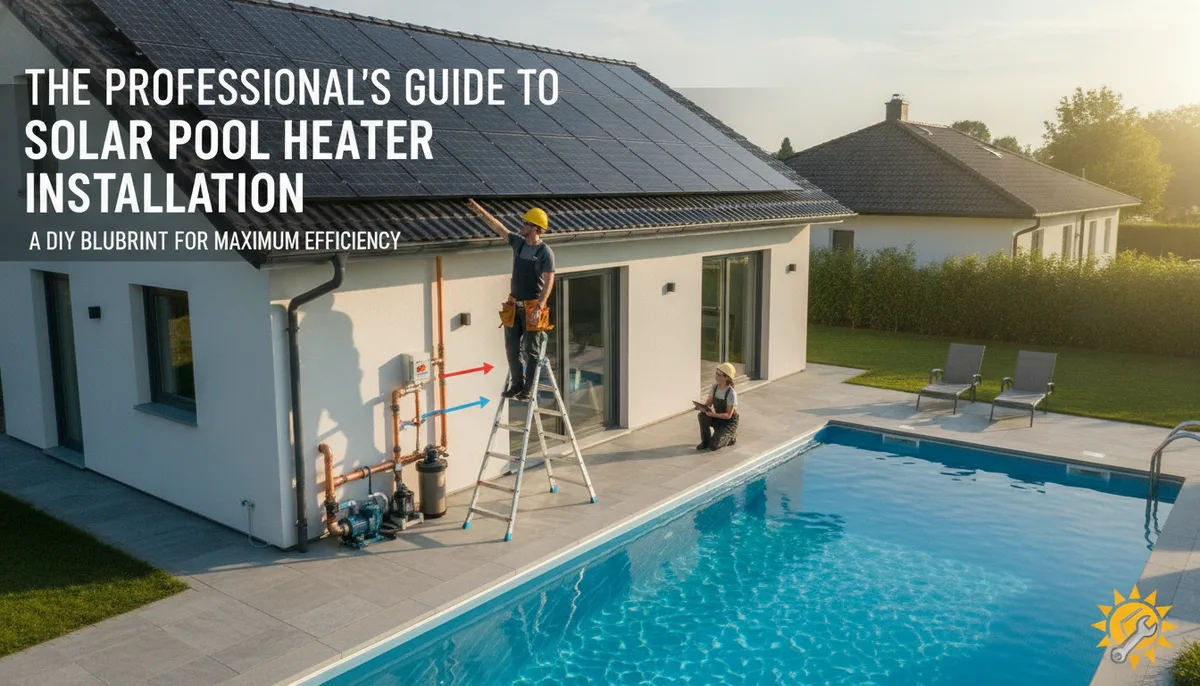
The Professional's Guide to Solar Pool Heater Installation: A DIY Blueprint for Maximum Efficiency
Master the technical nuances of solar pool heater installation. Learn professional siting, plumbing architectu...
The decisions this site is built to answer
| Comparison | Search intent | What the guide evaluates |
|---|---|---|
| Black Poly Pipe vs. PEX for Solar Coils | best diy solar pool heater plans | Specs, total fit, tradeoffs, and buyer priorities |
| Copper vs. Stainless Steel Heat Exchangers | how many feet of poly pipe to heat pool | Specs, total fit, tradeoffs, and buyer priorities |
| Direct Flow vs. Diverter Valve Setup | wood fired pool heater parts list | Specs, total fit, tradeoffs, and buyer priorities |
| Solar Blankets vs. Solar Rings | stainless steel vs copper heat exchanger pool | Specs, total fit, tradeoffs, and buyer priorities |
| Manual Valves vs. Automated Actuators | cheapest way to heat above ground pool | Specs, total fit, tradeoffs, and buyer priorities |
What first-time buyers commonly miss
- Undersizing the pump leading to zero flow in elevated collectors.
- Using non-UV-rated PVC for outdoor solar exposures.
- Ignoring check valves resulting in water back-draining and air locks.
- Failing to account for nighttime heat loss via evaporation.
- Using toxic materials not rated for pool chemical contact.
Useful analysis without invented authority
Our guides are based on mechanical engineering principles, fluid dynamics, and publicly available specifications of hardware components. We analyze material thermal conductivity and flow rate data to provide reliable build recommendations.
Some links on this site may be affiliate links. If you buy through those links, we may earn a commission at no extra cost to you. We use that support to keep building practical guides, comparisons, and reader-focused research.