
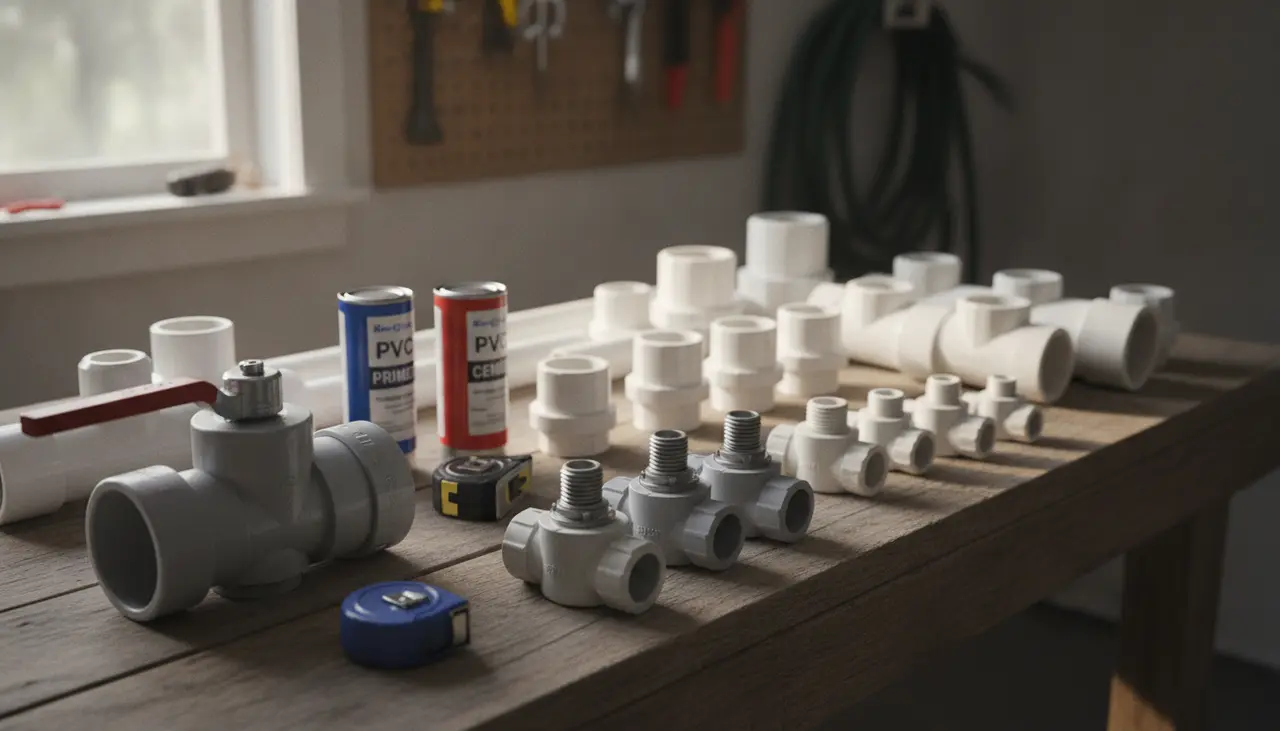
Essential PVC Fittings Every DIY Heater Needs: A Pool Plumbing Fittings Guide
To successfully plumb a DIY pool heater, you must use pressure-rated fittings that allow for flow regulation, backflow prevention, and easy system maintenance. The three most critical components are 3-way diverter valves for bypassing the heater, check valves to prevent water from draining back into the pump, and threaded unions to ensure the heater can be disconnected for winterization or repair.
Using standard hardware-store PVC elbows is sufficient for basic routing, but a high-performance heating system—whether solar or wood-fired—requires specialized pool plumbing fittings to handle the specific head pressure and thermal expansion of the loop.
Who This Guide Is For
This guide is designed for DIY enthusiasts who are currently assembling a solar collector or wood-fired heat exchanger. If you are transiting from a standard "pump-to-filter" setup to a more complex heating loop, these specifications will help you avoid common points of failure like air locks, pipe deformation, and impossible-to-service plumbing.
Comparison of Critical Pool Plumbing Fittings
| Fitting Type | Primary Function | Criticality | Best Used For |
|---|---|---|---|
| 3-Way Diverter Valve | Directs water to heater or bypasses it. | Essential | Controlling temperature and flow volume. |
| Check Valve (Non-Return) | Prevents water backflow into pump/filter. | Essential | Preventing air locks and pump strain. |
| Threaded Union | Provides a disconnect point without cutting pipe. | Highly Recommended | Connecting pumps and heat exchangers. |
| Ball Valve | Simple On/Off flow control. | Optional | Isolate specific solar collector banks. |
| 90-Degree Sweep Elbow | Changes pipe direction with low friction. | Recommended | Reducing head pressure in long runs. |
1. The 3-Way Diverter Valve: The System Hub
In a DIY heating setup, you rarely want 100% of your pool water flowing through the heater at all times. A 3-way diverter valve allows you to "throttle" the flow. By sending a portion of the water through the heater and the rest directly back to the pool, you can optimize the temperature differential (Delta T).
- Specification: Look for 1.5-inch or 2-inch CPVC or PVC valves with a "never-lube" design.
- Why it works: It prevents the heater from creating too much backpressure on your pump, which is a common issue discussed in our Best High-Flow Pool Pumps for DIY Solar Collectors: A Technical Guide.
2. Check Valves: Preventing Back-Drainage
When your pump turns off, gravity wants to pull all the water out of your elevated solar collectors or wood-fired coils and back into the pool filter. This creates a vacuum, often leading to "clunking" sounds and air locks when the system restarts.
- Placement: Install a check valve on the return line after the heater and on the intake line before the water reaches an elevated collector.
- Technical Tip: Use a "swing" or "spring" check valve with a clear lid. This allows you to visually confirm flow and check for debris without disassembling the pipe.
3. Threaded Unions: The Maintenance Essential
The biggest mistake beginners make is gluing every single joint. If your heat exchanger leaks or your solar collector needs a repair, you shouldn't have to use a hacksaw.
- Application: Install a union on both the "In" and "Out" ports of your heater.
- Benefit: This allows you to completely remove the heating unit for the winter. For those building a wood-fired pool heater, unions are mandatory for cleaning soot or ash buildup from the exterior of the coils.
4. CPVC vs. Standard PVC
While standard Schedule 40 PVC is rated for 140°F (60°C), the water exiting a high-efficiency wood-fired exchanger or a stagnant solar collector can exceed this.
- CPVC (Chlorinated Polyvinyl Chloride): Rated for up to 200°F. Use CPVC for the first 12–24 inches of pipe exiting your heat source before transitioning back to standard PVC.
- Fittings: Ensure you use a specialized "Transition Glue" if you are bonding CPVC to standard PVC.
Recommended Bulk Fitting Checklist
When ordering parts, buying in bulk packs of 5 or 10 is significantly more cost-effective for a large-scale project. For a complete list of hardware, refer to The PoolHeatHacker Master Buying Guide: Essential Components for DIY Heating.
- PVC Slip Unions (Pack of 4): For heater and pump connections.
- 3-Way Diverter Valve (1 unit): For the main bypass loop.
- Check Valves (2 units): To maintain prime and prevent backflow.
- 90-Degree Sweep Elbows (Pack of 10): To reduce friction loss compared to standard "hard" 90s.
- Pipe Primer and Medium-Bodied Glue: Ensure they are rated for pressure (not DWV).
Common Beginner Mistakes to Avoid
- Using DWV Fittings: Never use "Drain, Waste, Vent" fittings. They have shallower sockets and are not designed to hold the 15–30 PSI of a pool system. Look for the "NSF-pw" (Potable Water) or "Sch 40" stamp.
- Over-tightening Threaded Fittings: PVC threads are tapered. Over-tightening can crack the female housing. Use Teflon tape or a non-hardening thread sealant and turn only 1-2 turns past hand-tight.
- Ignoring Flow Direction: Check valves and diverter valves have arrows molded into the plastic. Installing these backward will dead-head your pump and potentially blow out your plumbing.
FAQ: DIY Pool Plumbing
Q: Can I use flexible PVC (Spa Hose) for my heater? A: Yes, flexible PVC is excellent for absorbing vibrations and navigating tight corners, but ensure it is rated for the same pressure as your rigid pipe. Do not use thin-walled "vacuum hose" for pressurized heater lines.
Q: What size pipe should I use? A: Most DIY systems use 1.5-inch pipe for flow rates up to 45 GPM. If your pump is 1.5 HP or larger, or your run is over 50 feet, 2-inch pipe is recommended to reduce friction loss.
Q: Do I need a pressure relief valve? A: For wood-fired systems, a pressure relief valve (PRV) is a critical safety component. If the water boils and the valves are closed, the resulting steam pressure can rupture PVC pipes.
Affiliate Disclosure: This post contains affiliate links to bulk PVC fitting packs and plumbing components. If you purchase through these links, we may earn a small commission at no additional cost to you, which helps support our technical build guides.